
Think your competition is another bank? Think again.
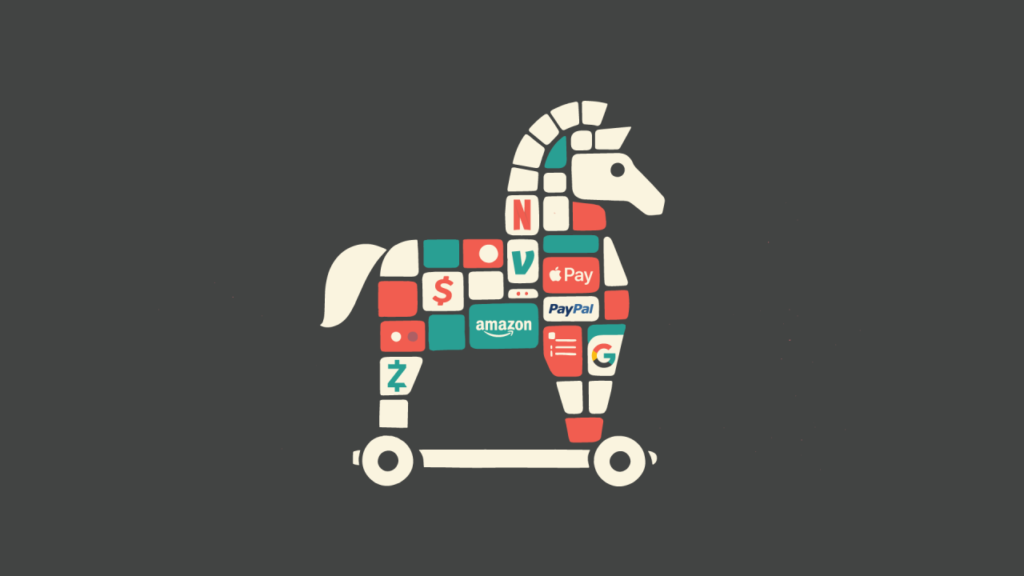
When someone taps to pay with their phone, binge-watches Netflix, or orders something on Amazon that shows up tomorrow, they’re not thinking, “I am now forming expectations that my bank will deliver a similar experience.”
But that is exactly what’s happening.
Financial marketers often benchmark against “other banks.” Meanwhile, customers are benchmarking us against the smoothest, most intuitive experiences they use most frequently. That gap between where we think the bar is and where customers do is where friction, frustration, and attrition live. That’s why we frequently do digital expectation research to help our Clients understand things like how choosing a movie on Netflix forms expectations around how easy it should be to find something on their bank’s app.
Digital expectation research is about closing that gap on purpose instead of by accident, and the start to building ruthlessly customer centric experiences that build trust.
Your customers’ expectations are set somewhere else
Half of U.S. consumers now use digital wallets like PayPal, Apple Pay, Venmo, and Cash App, and satisfaction is climbing as usage skyrockets. Globally, roughly two-thirds of adults use digital payments, and in the U.S. that number is closer to 9 in 10.
At the same time, companies like Amazon, Netflix, and Spotify are relentlessly training people to expect personalization, instant gratification, and interfaces that just make sense.
Finsights, Shiny’s proprietary study of U.S. adults, set out to understand how people think and feel about financial services—and what they expect from providers. The research uncovers the mindsets, emotions, and attitudes that shape how individuals approach money and financial institutions.
In that work, we saw two truths collide:
- People are very comfortable with everyday digital tools, including moving money through apps and digital wallets.
- At the same time, many are still struggling with the basics of financial health — saving consistently, managing debt, and feeling in control of their money.
That’s where digital experiences become critical.
Their expectations for how a digital experience should work are shaped by the best non-financial apps in their lives. And when they step into a financial experience, they’re often doing it from a place of stress, uncertainty, or feeling behind.
So the bar for you as a financial provider is actually higher: your digital experiences must be as smooth as their favorite apps and sensitive to the emotional weight of money decisions.
Digital expectation research is how you can start to get there.
Digital expectation research looks outside the category
Most UX work in financial services starts inside the category: competitive app reviews, heuristic audits, maybe some journey mapping. Necessary, but not sufficient.
Digital expectation research deliberately starts outside the category. It’s the work of understanding:
- Which non-financial apps your customers genuinely love using
- What “effortless” feels like to them in e-commerce, streaming, travel, and messaging
- Where they feel guided, reassured, or respected — and where they feel pushed, confused, or trapped
McKinsey’s work on personalization shows that companies who excel at demonstrating customer intimacy drive significantly faster revenue growth than peers, and the closer they get to real customer needs, the bigger the gains.
In other words: the better you understand what “good” looks like through your customers’ eyes, the more your digital experience becomes a growth driver.
Three practical moves to put this to work
You don’t need a massive transformation program to start gaining these critical insights. Here’s how to start making progress today:
1. Spend time exploring digitally native experiences.
You and your team are consumers before you are marketers and spend hours each week interacting with seamless digital tools. Identify a few of them and have your team or your agency spend some time documenting just how seamless they are. How do they move people through purchase decisions? How do they help existing customers update information, upgrade, or solve problems? Identify opportunities that your experiences aren’t currently delivering.
2. Watch how people live digitally (outside of money).
Interview customers about their favorite non-financial apps. Have them screen-share and narrate: shopping, streaming, travel bookings, messaging. Pay attention to the small but powerful patterns — progress indicators, confirmations, default settings, microcopy that builds confidence.
You’re not copying UI; you’re decoding the standards they already carry into every experience, including financial ones.
3. Map those expectations onto one high-value financial journey.
Pick one: opening an account, applying for a card, funding a savings goal, or disputing a transaction. Lay your current flow next to the “best in class” patterns you observed.
Ask:
- Where do we introduce unnecessary uncertainty?
- Where are we asking people to think harder than they do anywhere else on their phone?
- Where are we ignoring the emotional reality (anxiety, shame, urgency) of this moment?
That’s where you prioritize redesign and testing.
4. Test against emotional states, not just demographics.
Finsights shows that even digitally comfortable customers often feel anxious, overwhelmed, or ashamed about money. So don’t just test with “Millennial homeowner” or “Gen Z student.” Test with emotional states in mind…how does your experience deliver when people are feeling:
- Nervous about hidden fees
- Behind in financial literacy and doesn’t want that rubbed in
- Embarrassed asking for help
Then ask: does this flow make them feel more in control or more exposed?
Why this matters in a commoditized market
Regardless of what financial services product you’re leading, whether that’s a checking accounts, credit card, or loan, your product specs will always have a twin (or close relative) somewhere else.
So you’re not going to win long-term on product features alone.
But you can absolutely win on:
- How easy it is to understand what’s happening, every step of the way
- How confidently people can move through key journeys
- How closely your experience matches the best digital moments they already enjoy — while honoring the emotional stakes inherent with financial products
That’s the real opportunity here: not chasing UX trends but building experiences that reflect how people actually live online — and how they actually feel about money. When you design from digital expectations and financial reality, you start becoming the place where people feel confident and supported when taking action, and that’s how you win.
Ready to break through your audiences’ indifference?
Get helpful information in your inbox